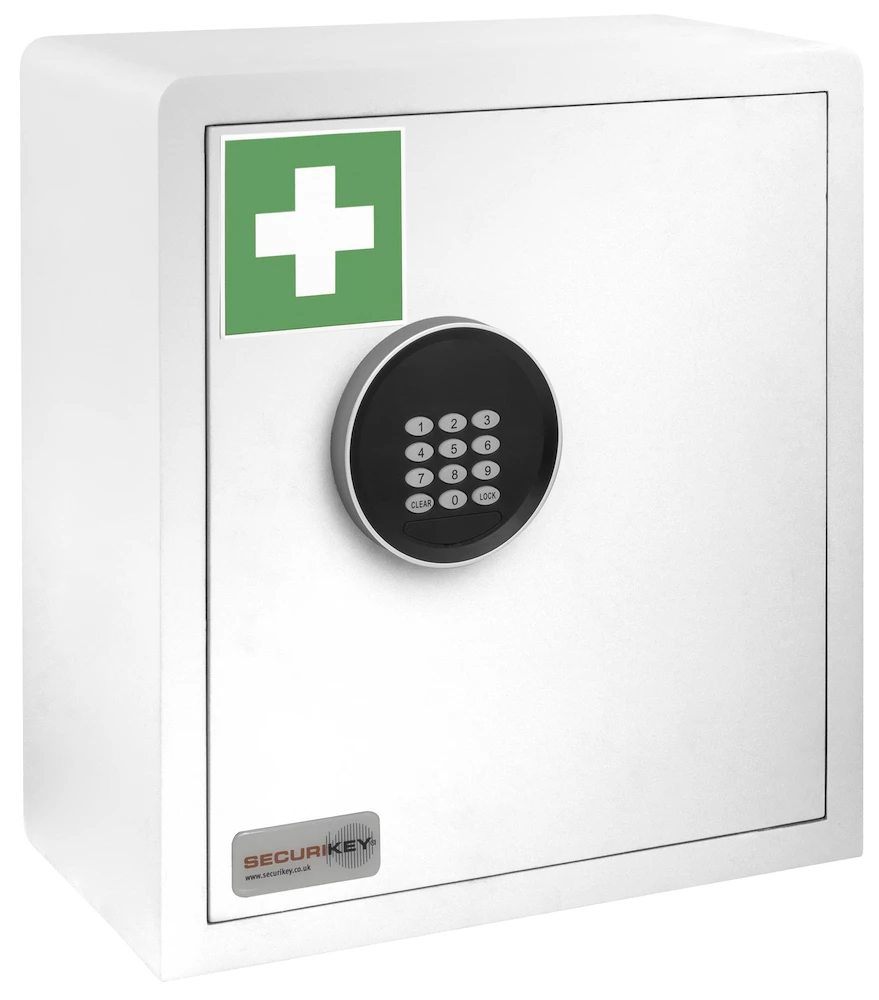
Secure workplace storage is no longer optional. It is a legal, operational and risk-management requirement.
Across the UK, employers are expected to protect people, property and information. Storage plays a direct role in meeting those duties. Therefore, workplace storage security should be treated as part of day-to-day governance.
This guide explains workplace storage security in clear terms. It covers legal responsibilities, risk reduction and best practice. It is written for employers, facilities managers, duty holders and anyone responsible for safe, orderly premises.
This article is informational and does not replace legal advice. However, it reflects widely accepted UK workplace practices and the way compliance is typically managed in real settings.
What Is Workplace Storage Security?
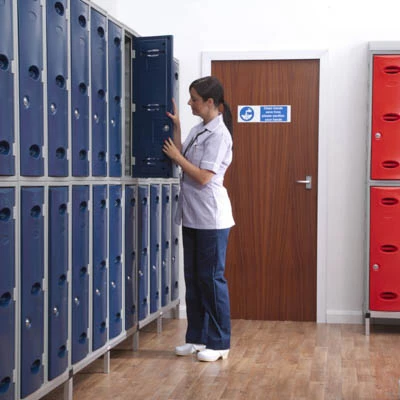
Workplace storage security means storing items so that people remain safe and unauthorised access is reduced. It also means items can be accounted for, where that is necessary. In short, it is about control, order and prevention.
This can include personal belongings, uniforms, tools, laptops, medicines, records, keys and high-value assets. It can also include storage for visitors, contractors and shared areas.
In practice, workplace storage security is delivered through lockers, safes, cabinets and key control systems. The correct approach depends on risk level, environment and how the workplace operates.
Why Workplace Storage Security Matters
Poor storage creates risk. That risk can affect staff, visitors, operations and reputation. It can also create avoidable costs.
Unsecured storage can lead to theft and loss. It can also cause injuries, for example when items are left in walkways or stored unsafely. In addition, sensitive items may be accessed by the wrong people, which creates governance and compliance concerns.
By contrast, secure storage supports a calm, organised workplace. It reduces disputes. It improves accountability. It also helps managers demonstrate that reasonable preventative measures are in place.
UK Legal Duties That Affect Workplace Storage
UK law does not usually state “you must provide lockers” or “you must install a safe” in a single sentence. Instead, workplace storage security is captured through broader duties. These duties require employers to identify risks and take reasonable steps to control them.
Health and Safety at Work etc. Act 1974
Employers must protect health, safety and welfare at work. This includes safe systems and safe workplaces. Storage is part of this because poor storage can lead to hazards such as trip risks, unstable stacks, falling objects and unsafe access to items.
Secure storage helps reduce these risks. It also supports welfare by giving staff a safe place for belongings and uniforms, especially in shared premises.
Management of Health and Safety at Work Regulations
Employers are expected to carry out risk assessments and implement control measures. If your risk assessment identifies theft, unsafe access, or storage-related injury risk, then a control is needed. In many workplaces, secure storage is a practical and proportionate control.
Duty of Care and Reasonable Precautions
Employers owe a duty of care to staff and visitors. That does not mean an employer is automatically liable for every loss. However, it does mean reasonable precautions should be taken where risks are foreseeable. Secure storage supports that standard, especially in workplaces with shared areas or high footfall.
Insurance and Liability Considerations
Insurance providers often expect reasonable security measures for premises and assets. Secure storage supports that expectation. It can also reduce the severity and frequency of claims, because incidents are less likely to occur and easier to evidence.
Common Workplace Storage Risks
Storage risks are easier to manage when they are named clearly. Therefore, start by listing what must be protected and who should have access.
Personal Belongings
Staff bring valuables to work. Phones, wallets, bags and coats are common. Without secure lockers, theft risk increases and disputes are more likely. Lockers reduce these issues and also support a more professional workplace environment.
Tools and Equipment
Work equipment must be protected. Loss, damage or misuse can slow operations. Secure cabinets, tool storage and lockers reduce downtime and help with asset control. They also make it easier to keep work areas clear and safe.
Keys and Access Items
Keys are small but high-risk. Poor key storage increases unauthorised access, duplication and loss. A structured approach to key control supports accountability and reduces the chance of avoidable security incidents.
Medicines and Sensitive Items
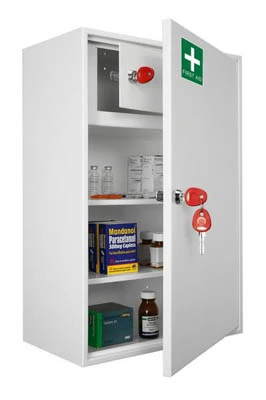
Some workplaces store medicines, first aid supplies or sensitive materials. These items often require controlled access and clear governance. Lockable cabinets support this control and help maintain professional standards.
Storage Solutions Used in UK Workplaces
Different risks require different solutions. Therefore, choose storage based on risk and usage rather than appearance alone. The aim is simple: reduce the opportunity for loss and prevent unsafe storage practices.
Lockers for Staff and Shared Areas
Lockers provide individual storage and clear allocation. They are commonly used in offices, factories, schools and leisure facilities. Locking options vary, which helps match storage to risk level and user behaviour.
Workplace lockers for secure employee storage
Safes for High-Value Items and Critical Documents
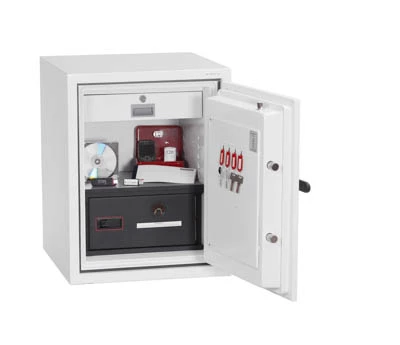
Safes protect high-value items such as cash, confidential documents and sensitive assets. Fire and burglary ratings may apply, depending on what you store and how you insure it. In addition, correct fixing and positioning matter because they reduce removal and tampering risk.
Security safes for workplace asset protection
Lockable Cabinets for Departmental Storage
Lockable cabinets suit shared storage, departmental stock and items that should not be left in the open. They are often used for equipment, records and medical supplies in workplaces that need stronger governance.
Lockable storage cabinets for workplace organisation
Key Cabinets and Key Control
Key control works best when it is simple and consistent. A dedicated key cabinet or controlled key system supports accountability. It also reduces time wasted looking for keys and helps prevent unauthorised duplication.
Sector-Specific Considerations
Storage needs vary by sector. However, the same principles apply. Start with risk. Then match storage to how the space is used. Finally, review the system as operations change.
Offices and Shared Workspaces
Offices often underestimate storage risk. Yet personal belongings, laptops and confidential papers are common. Lockers and lockable cabinets support flexible working and hot-desking, while also reducing loss and disruption.
Education
Education environments manage large volumes of personal items and shared facilities. Supervision also matters. Lockers reduce incidents and support order in corridors, changing areas and staff rooms.
Healthcare and Care Settings
Healthcare environments require robust governance and safe access control. Medicines, supplies and equipment must be secured appropriately. Lockable cabinets and structured storage support patient safety and reduce avoidable errors.
Industrial, Warehousing and Engineering
Industrial sites often store tools, PPE, devices and valuable consumables. Security and safety overlap here. Robust storage reduces injury risk and helps maintain tidy work areas. It also supports audits and asset control.
Best Practice for Workplace Storage Security
Best practice is easy to understand when it is kept practical. Therefore, focus on a few repeatable steps that can be applied across departments.
- Start with a risk assessment. Identify what must be protected and why.
- Match storage to risk. Use lockers for personal items, cabinets for shared stock, and safes for high-value assets.
- Control access. Decide who should access items, and how access is managed.
- Keep walkways clear. Storage should reduce clutter, not create it.
- Maintain and review. Check locks, hinges, fixings and usage patterns.
In addition, document the approach. A simple policy and a few checks per year can prevent repeated issues and reduce incident response time.
Common Mistakes to Avoid
Many storage failures are preventable. These mistakes are common, yet easy to fix:
- Using domestic furniture for workplace storage where higher durability and security are needed.
- Relying on shared keys without a clear allocation or sign-out process.
- Ignoring maintenance until locks fail or doors misalign.
- Failing to review changes such as new staff numbers, new equipment, or layout changes.
When these issues are corrected, storage becomes an asset rather than a problem. It also makes the workplace feel more organised and professional.
Practical Checklist for Managers and Facilities Teams
If you want a quick way to evaluate storage security, use this checklist. It works for most UK workplaces and supports a positive, preventative approach.
- Do staff have a secure place for valuables and uniforms?
- Are tools, laptops and devices stored securely when not in use?
- Are keys controlled and accounted for?
- Are walkways kept clear because storage is sufficient and well-placed?
- Are locks, hinges and fixings checked on a schedule?
- Are storage responsibilities clear to staff and supervisors?
Next, record any gaps. Then set a simple improvement plan. Even small changes can reduce risk quickly.
Frequently Asked Questions
Is secure storage a legal requirement in the UK?
Secure storage is not usually stated as one standalone legal requirement. However, employers must assess risks and take reasonable measures to control them. Secure storage is often an appropriate control for theft, unauthorised access and workplace safety hazards.
Are employers responsible for employee belongings at work?
Employers should take reasonable steps to protect welfare and reduce foreseeable risks. Providing lockers or secure storage supports good practice and can reduce disputes, even where liability is limited by policy.
Does secure storage reduce workplace theft?
Secure storage reduces opportunity. It also supports deterrence and accountability. As a result, it can reduce incidents and improve the handling of any investigations that do occur.
How do I choose the right storage for my workplace?
Start with a risk assessment. Identify what must be protected and how often it is accessed. Then match the solution to the risk and environment, for example lockers for personal items, cabinets for shared stock, and safes for high-value assets.
Conclusion
Workplace storage security supports safety, compliance and efficiency. It is a practical management duty that reduces risk and improves day-to-day order.
When storage is selected through risk assessment and maintained properly, incidents become less likely. Staff confidence also increases. Therefore, secure storage should be seen as a positive investment in workplace standards.