Secure Storage Blog
Written by
in
Locker security depends on more than the locker itself. In schools, workplaces, gyms and leisure centres, the choice and management of locker keys plays a major role in day-to-day security, access control and cost management.
This guide explains how locker keys work, where they are best used, and how to manage them correctly to reduce loss, downtime and unnecessary replacement costs.
Despite the rise of electronic and smart lockers, traditional keyed locker locks are still preferred in many environments.
For many organisations, keys provide a reliable balance between security, usability and budget control.
Cam locks are the most common locker locking method. They are widely used in schools, staff changing rooms and offices. Each lock operates with a dedicated key and is easy to replace if damaged or worn.
Deadbolt locks provide increased resistance to forced entry. They are suitable for environments where higher security is required, such as workplaces storing personal equipment or valuables.
Some lockers use padlock hasps instead of fixed locks. This allows users to bring their own padlocks, which can be useful in leisure centres and shared facilities.
Master key systems allow authorised staff to open multiple lockers using a single master key. This is particularly useful for maintenance access, emergency situations and managed locker environments.
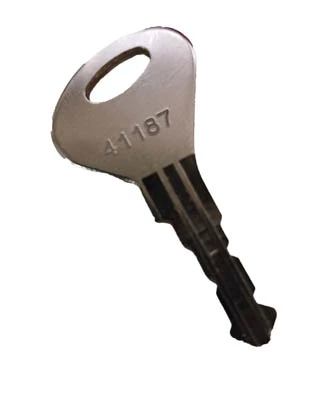
You can explore compatible locker key options and replacements in more detail here:
Locker Keys and Replacement Locker Keys
Lost keys are one of the most common causes of locker downtime. Simple management processes can dramatically reduce this risk.
Well-managed keys reduce the need for emergency lock replacements and improve accountability across shared facilities.
Replacing locker locks due to lost keys can be expensive and disruptive. A proactive approach helps prevent this.
In high-use environments, planning for key replacement in advance can significantly reduce long-term costs.
In some environments, keyless locker systems may be more appropriate.
However, many organisations still choose keyed systems for their simplicity, durability and low maintenance requirements.
Locker keys remain a practical and secure solution when managed correctly. The right system depends on usage, risk level and the number of users.
For a full range of locker keys, replacement keys and compatible locking systems, view the complete guide here:
Locker Keys for Secure Locker Systems