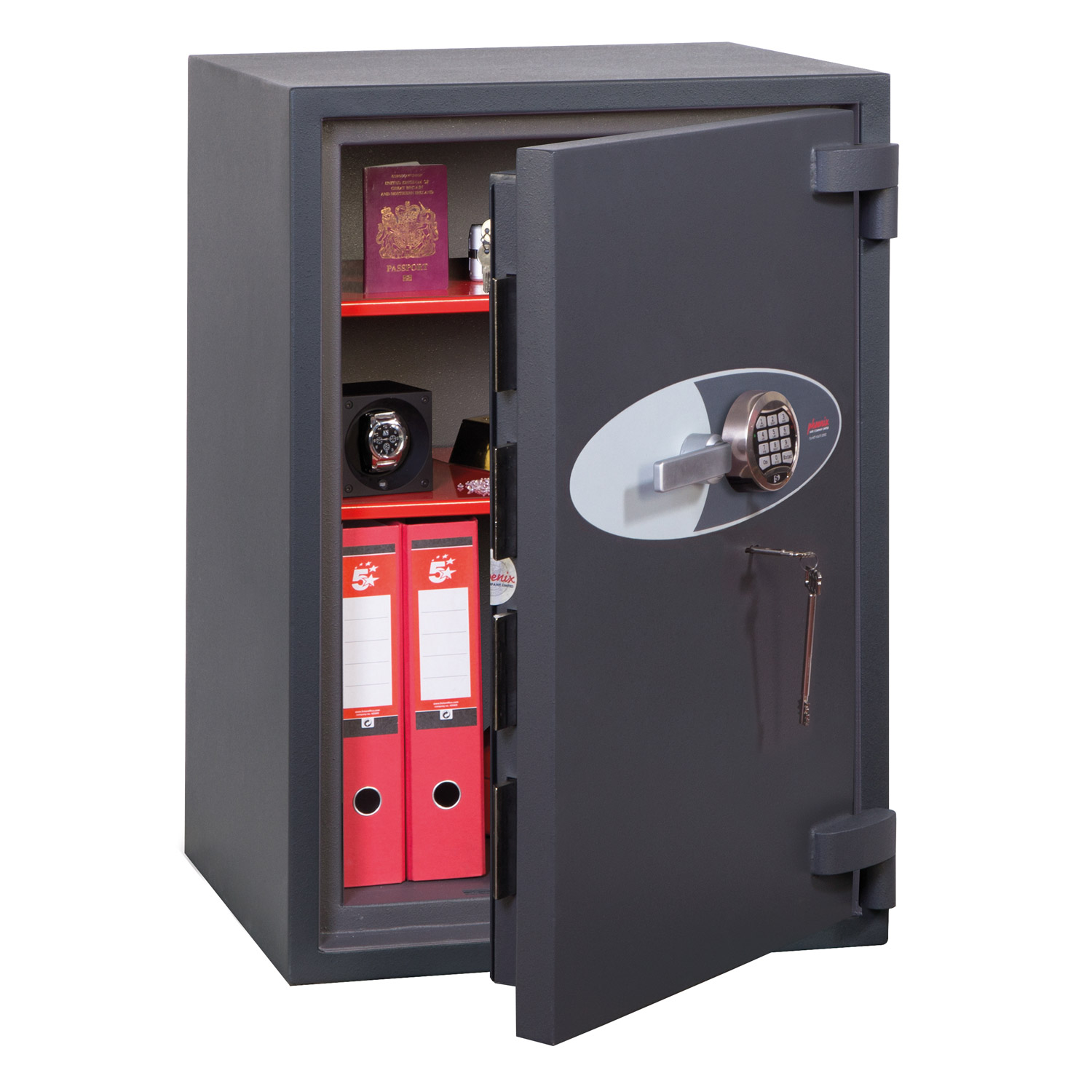
UK safes buying guide. Choosing the right safe is no longer optional. It is a practical decision for homes, offices and commercial sites across the UK.
However, not all safes offer the same level of protection. Some protect against fire. Others are designed to resist theft. Only certain models provide certified protection against both.
This 2026 buying guide explains how UK safes are rated, how insurers assess them, and how to choose the correct safe for your needs. It is written for homeowners, businesses and facilities managers who want clarity, not confusion.
Why Buying the Right Safe Matters in the UK
Security risks continue to rise. At the same time, insurance requirements are becoming stricter.
UK insurers often specify minimum safe standards. If those standards are not met, claims may be reduced or rejected. This applies to both homes and commercial premises.
A safe is not just a metal box. It is a certified security product designed to protect assets, documents and data. Choosing the correct model protects both property and compliance.
UK safes buying guide. Understanding the Two Main Types of Safes
Fire Safes Explained
Fire safes are designed to protect contents from extreme heat and smoke. They are tested in specialist furnaces that replicate real fire conditions.
These safes do not primarily resist theft. Their purpose is to control internal temperature for a specified time.
- Paper documents
- Passports and certificates
- Digital backups
- Legal and financial records

Burglary Safes Explained
Burglary safes are built to resist forced entry. They are tested against tools, drills, cutting equipment and prying attacks.
These safes are rated using recognised UK and European standards. The rating determines how much insurers will cover.
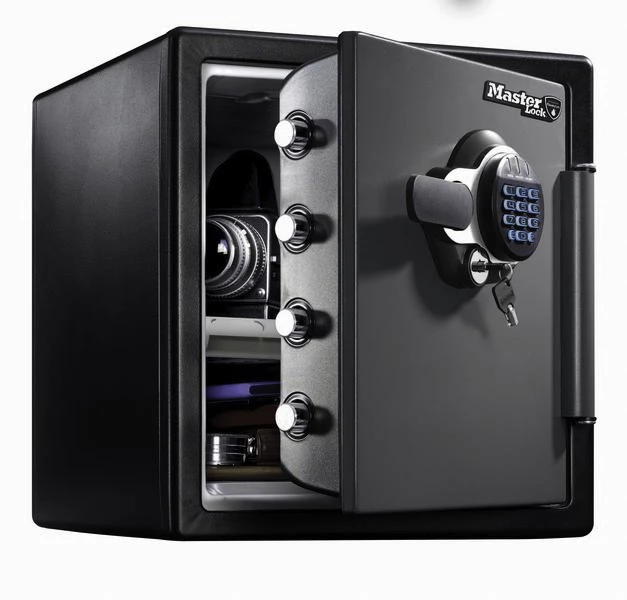
UK safes buying guide. UK Fire Safe Ratings Explained
Fire safes are rated by time. The rating indicates how long the contents remain protected during a fire.
- 30 minutes
- 60 minutes
- 90 minutes
- 120 minutes
Paper typically ignites at around 177°C. Digital media fails at much lower temperatures. This difference is critical when selecting a safe.
UK safes buying guide. UK Burglary Safe Ratings and Insurance Levels
Burglary safes sold in the UK are tested to EN standards. Each grade corresponds to a typical insurance value.
| Safe Rating | Typical Insurance Cover (Cash) |
|---|---|
| S2 | £4,000 |
| Eurograde 0 | £6,000 |
| Eurograde I | £10,000 |
| Eurograde II | £17,500 |
Insurance limits vary by provider. Always confirm acceptable ratings and installation requirements before purchase.
Insurance Requirements for Safes in the UK
Insurers may require safes to meet specific conditions. These often include minimum burglary ratings, correct anchoring and professional installation.
Documentation matters. Keep certificates, invoices and installation records. These may be requested during a claim.
Choosing the Right Safe for Your Needs
Home Safes
Home safes protect valuables, documents and sentimental items. Compact designs and discreet placement are often preferred.
Business and Commercial Safes
Businesses face higher exposure to theft and stricter insurance conditions. Commercial safes often require higher burglary ratings and greater capacity.
Safe Lock Types Explained
Safe locks affect both security and usability. Common options include key locks, electronic combination locks and biometric systems.
Installation and Positioning Best Practice
A safe is only effective if installed correctly. Most burglary-rated safes must be anchored to the building structure.
Professional installation supports compliance and reduces risk. It also helps satisfy insurer conditions.
Common Mistakes When Buying a Safe
- Focusing only on fire protection
- Ignoring insurance ratings
- Choosing a safe that is too small
- Poor or incorrect installation
- Not planning for future needs
UK safes buying guide. Frequently Asked Questions About UK Safes
Below are common questions buyers ask when choosing a safe in the UK.
UK Safes: Common Buying Questions Answered
Choosing a safe often raises practical questions about ratings, insurance and installation. The answers below address the most common concerns UK buyers have before making a decision.
How do insurance companies decide whether a safe is acceptable?
Insurers look at several factors, including the safe’s certified burglary grade, how it is installed, and whether it meets the conditions stated in your policy. In many cases, the safe must be fixed to the building structure and installed according to the manufacturer’s guidance.
Is fire protection more important than theft protection?
That depends on what you are storing. Important documents are vulnerable to fire, while cash and valuables are at greater risk from theft. In many homes and businesses, a safe that offers both fire resistance and burglary certification provides the most balanced protection.
Will a safe still be insured if it is not bolted down?
In most cases, no. Burglary-rated safes usually need to be anchored to a solid floor or wall to maintain their certification. Without proper fixing, insurers may reduce cover or decline a claim altogether.
Are all fire safes suitable for USB drives and hard disks?
Standard document fire safes are designed to protect paper, not electronic media. Data storage devices are more sensitive to heat and humidity, so they often require a specialist media-rated fire safe.
Can I use the same safe at home and at work?
Some safes are suitable for both environments, but commercial premises often have higher insurance and compliance requirements. It is important to check that the safe’s rating and capacity match the setting in which it will be used.
Does professional installation really make a difference?
Yes. Professional installation ensures the safe is fixed correctly, positioned securely and installed in line with certification standards. This reduces risk and helps demonstrate compliance if an insurance claim is ever required.
Conclusion
Buying a safe is a long-term security decision. The right choice protects valuables, ensures insurance compliance and provides peace of mind.
By understanding fire ratings, burglary standards and installation requirements, you can choose a safe with confidence.