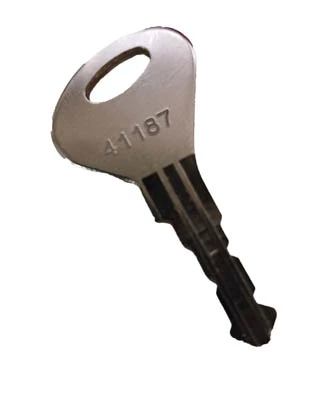
Locker key management is an important part of secure storage. In schools, gyms, leisure centres, workplaces and commercial buildings, a missing locker key can stop a locker being used, create access delays and increase maintenance costs.
This guide supports our main Locker Keys UK replacement and key management guide. It focuses on how to control issued keys, reduce losses, organise spare keys and decide when to order replacement locker keys cut to code.
For direct ordering, use Total Locker Service for replacement locker keys cut to code.

Why Locker Key Management Matters
Locker keys are simple to use, but they need a clear management process. A key system only works well when issued keys, spare keys, master keys and replacement keys are controlled properly.
Without good records, staff may not know which key belongs to which locker. A lost key may lead to unnecessary lock replacement. A missing master key may create a wider security issue. A worn key may snap inside the lock if it is not replaced early.
Good locker key management reduces downtime. It also helps schools, gyms, workplaces and facilities teams keep lockers available for users. The best systems are simple, recorded and easy for staff to follow.
For the full canister overview, read the main Locker Keys UK guide.
Why Traditional Locker Keys Are Still Used
Traditional locker keys remain common because they are simple, familiar and cost-effective. They do not need power, software, batteries, apps or electronic programming. This makes them suitable for many everyday locker installations.
- They are easy for users to understand.
- They are suitable for assigned lockers.
- They are cost-effective across large installations.
- They are easy to replace when the key code is known.
- They work well in schools, staff rooms, offices and changing areas.
Keyed locker locks are especially useful where lockers are assigned to regular users. Schools, workplaces and staff changing areas often benefit from this approach because each user can be linked to a specific locker and key record.
Identifying Locker Key Codes
The key code is the most important detail when ordering replacement locker keys. It may be stamped on the original key, shown on the lock face, marked on the lock barrel or recorded in the site key register.
The locker door number is not always the same as the key code. This is a common cause of wrong orders. The door number helps users find their locker. The key code tells the supplier how to cut the replacement key.
Before ordering, check the key, lock face, lock barrel and site records. If the number is unclear, take a clear photograph before placing an order.
For more detail, read where to find a locker key number or lock code and locker key numbers vs locker door numbers.
Common Locker Key Identification Problems
Many locker key problems are caused by unclear numbering. A worn key stamp can be difficult to read. A number on the door may be mistaken for a lock code. A site may also have mixed lock ranges from previous repairs or refurbishments.
- A 6 may be mistaken for an 8.
- A 1 may be mistaken for a 7.
- The letter O may be mistaken for zero.
- A prefix may be missed from the key code.
- An old key record may refer to a lock that has since been changed.
If the code is unclear, do not guess. Check the lock itself, compare spare keys and review previous ordering records. Clear identification prevents wrong replacement keys and avoids unnecessary lock changes.
Spare Key and Master Key Control
Spare keys and master keys should be controlled more carefully than everyday user keys. A spare key may open one locker. A master key may open many lockers, so a lost master key creates a wider security problem.
Keep spare keys in a secure key cabinet or controlled office. Do not leave spare locker keys loose in drawers, reception areas or open workshops. Staff should be able to find the correct spare key quickly, but access should still be restricted.
- Record who can access spare keys.
- Store master keys separately from general key sets.
- Label spare keys by locker number, not personal user details.
- Audit spare keys regularly.
- Replace missing spare keys before they are needed urgently.
For more support, read locker master keys explained and key cabinets for managing locker keys.
Building a Locker Key Register
A locker key register is one of the simplest ways to prevent key confusion. It gives staff one clear place to check locker numbers, key codes, issued users and spare key locations.
A basic key register should include the locker number, key code, lock brand, location, issued user, issue date, return date and spare key location. Larger sites may also include department, room, master key group and supplier notes.
| Register field | Why it matters |
|---|---|
| Locker number | Identifies the user-facing locker door. |
| Key code | Allows replacement keys to be cut to code. |
| Lock brand | Helps match the correct key range. |
| Location | Useful for large schools, workplaces and leisure sites. |
| Issued to | Supports accountability. |
| Spare key location | Helps staff resolve access issues quickly. |
For a practical setup, read how to build a locker key register.
Lost Locker Key Procedure
A lost locker key should not automatically lead to lock replacement. In many cases, the correct replacement key can be ordered if the key code is known.
First, check whether the locker is open or locked. If it is open, keep it open until the replacement key has been arranged. If it is locked, check whether an authorised spare key or master key is available.
Next, confirm the key code. Check the lock face, original key records, spare key board and key register. If the code is clear, order a replacement key. If the code is unclear, take photographs of the lock and keyway before requesting help.
- Confirm whether the locker is locked or open.
- Check whether the user may still have the key.
- Use an authorised spare key or master key if available.
- Identify the key code from the key, lock or register.
- Order a replacement key if the code is known.
- Replace the lock only if the lock is damaged, insecure or impossible to identify.
For a fuller step-by-step process, read lost locker key: what schools, gyms and workplaces should do.
Replacement Locker Keys Cut to Code
Cut-to-code replacement means the new locker key is made from the key number or lock code. This avoids the need to copy an original key. It is useful when the original key has been lost, damaged or taken away by a user.
This is often the most efficient solution when the lock still works. It can save time, reduce cost and avoid unnecessary lock changes. It also helps preserve existing master key systems and locker schedules.
Before ordering, confirm the key code, lock brand, quantity required and whether the locker is part of a master-keyed system. If the code is unclear, provide photographs of the lock face and any markings.
For direct ordering, visit Total Locker Service for replacement locker keys cut to code. For a process explanation, read replacement locker keys cut to code: what it means.
When to Replace the Lock Instead
A replacement key is not always the right solution. Replace the locker lock if the barrel is damaged, the cam is bent, the keyway is worn or the lock does not turn smoothly.
Lock replacement may also be better if the key was stolen with identifying details, if the lock code cannot be found, or if the locker is part of an old mixed system that is difficult to support.
For maintenance guidance, read broken locker key: what to do before replacing the lock and worn locker keys and stiff locks: repair or replace?.
Sector-Specific Locker Key Management
Different sites need different locker key procedures. A school, gym, workplace and university may all use keyed lockers, but the management risks are not identical.
| Sector | Main issue | Best supporting guide |
|---|---|---|
| Schools | Pupil key loss and end-of-year collection | School locker keys |
| Gyms | High user turnover and missing wrist straps | Gym locker keys |
| Leisure centres | Wet-area use and frequent access issues | Leisure centre locker keys |
| Workplaces | Staff locker allocation and returned keys | Workplace locker keys |
| Universities | Large multi-site key schedules | University locker keys |
| Healthcare | Controlled staff storage and authorised access | Healthcare locker keys |
Locker Key Tags, Number Discs and Wrist Straps
Locker keys are easier to manage when they are attached to clear, durable identifiers. Key tags, number discs and wrist straps help users and staff identify the correct locker quickly.
Wet changing areas need water-resistant accessories. Schools need durable tags that can withstand daily use. Workplaces may need simple numbered fobs that match a key register.
Do not rely on weak split rings, cracked tags or handwritten labels that can fade. A key separated from its tag is harder to return and easier to misidentify.
For accessory guidance, read locker key tags, number discs and wrist straps explained.
When to Consider Keyless Alternatives
Traditional locker keys are still useful, but they are not the best option for every site. If key loss is frequent, a keyless system may reduce admin time.
- Combination locks remove the need for a physical key.
- Coin locks can suit leisure centres and shared changing rooms.
- RFID locks can work well in gyms and controlled-access sites.
- Electronic locks may support audit trails and flexible allocation.
Keyless locks can reduce some lost key problems, but they introduce other considerations such as forgotten codes, batteries, programming, user training and higher upfront cost.
For comparison, read locker keys or combination locks: which is better? and locker keys or RFID locks: which is better for leisure sites?.
Locker Key Management Checklist
- Record every locker number.
- Record every key code.
- Record the lock brand where known.
- Store spare keys securely.
- Control master key access.
- Use clear number discs, fobs or wrist straps.
- Replace damaged key tags early.
- Replace worn keys before they snap.
- Train staff on the lost key procedure.
- Audit locker keys regularly.
- Update records when locks are changed.
- Order replacement keys before lockers are urgently needed.
For a deeper audit process, read the locker key audit checklist for facilities managers.
Ordering Support
If the lock is working and the key code is known, a replacement key is usually the fastest solution. Prepare the key code, lock brand, quantity required and any photographs before placing the order.
To order replacement keys, visit Total Locker Service: Locker Keys and Replacement Locker Keys.
Related Locker Key Guides
Use these guides to move through the locker keys canister. The main guide explains the full topic, while the supporting articles cover identification, replacement, sectors and key control.
- Locker Keys UK: Replacement, Cut-to-Code Ordering and Key Management Guide
- Replacement Locker Keys Cut to Code: What It Means
- Lost Locker Key? What Schools, Gyms and Workplaces Should Do
- Where to Find a Locker Key Number or Lock Code
- Are Locker Keys Universal? Why Key Codes and Brands Matter
- Locker Key Numbers vs Locker Door Numbers
- School Locker Keys: Replacement and Key Control Guide
- Gym Locker Keys: Replacement, Wrist Straps and Member Access
- Workplace Locker Keys: Staff Storage and Replacement Process
- Locker Master Keys Explained
- How to Build a Locker Key Register
- Bulk Replacement Locker Keys for Schools and Workplaces
- Common Mistakes When Ordering Locker Keys
- Key Cabinets for Managing Locker Keys
Locker Key Management FAQs
What is the best way to manage locker keys?
The best way to manage locker keys is to keep a clear register of locker numbers, key codes, issued users, spare keys and master key access. Regular audits help identify missing keys before they cause access problems.
Can replacement locker keys be ordered without the original key?
Yes. Many replacement locker keys can be cut to code when the correct key number, lock number or manufacturer code is known. The code may be stamped on the key, lock face or lock barrel.
Is the locker number the same as the key number?
Not always. The locker number usually identifies the door or compartment. The key number identifies the lock code used to cut the replacement key.
When should a locker lock be replaced instead of the key?
The locker lock should be replaced if the barrel is damaged, the cam is bent, the keyway is worn, the lock is insecure or the key code cannot be identified.
How can schools and gyms reduce lost locker keys?
Schools and gyms can reduce lost locker keys by using clear number tags, secure spare key storage, key issue records, regular audits and quick replacement ordering when key codes are known.