Tag: locker keys

  • Locker Keys: Staff Storage and Replacement Process

    Locker Keys: Staff Storage and Replacement Process

    Locker keys for staff storage need clear control. In offices, factories, warehouses, hospitals, schools, leisure centres and commercial buildings, staff lockers are often used for clothing, bags, PPE, uniforms, tools and personal belongings. When a key is lost or not returned, it can disrupt shifts, delay staff and leave lockers out of use.

    This guide explains how workplaces should manage staff locker keys, issue keys to employees, handle lost keys, manage leavers, control spare keys and order replacement locker keys when the lock still works.

    This article supports our main Locker Keys UK replacement and key management guide. For direct ordering, use Total Locker Service for replacement locker keys cut to code.

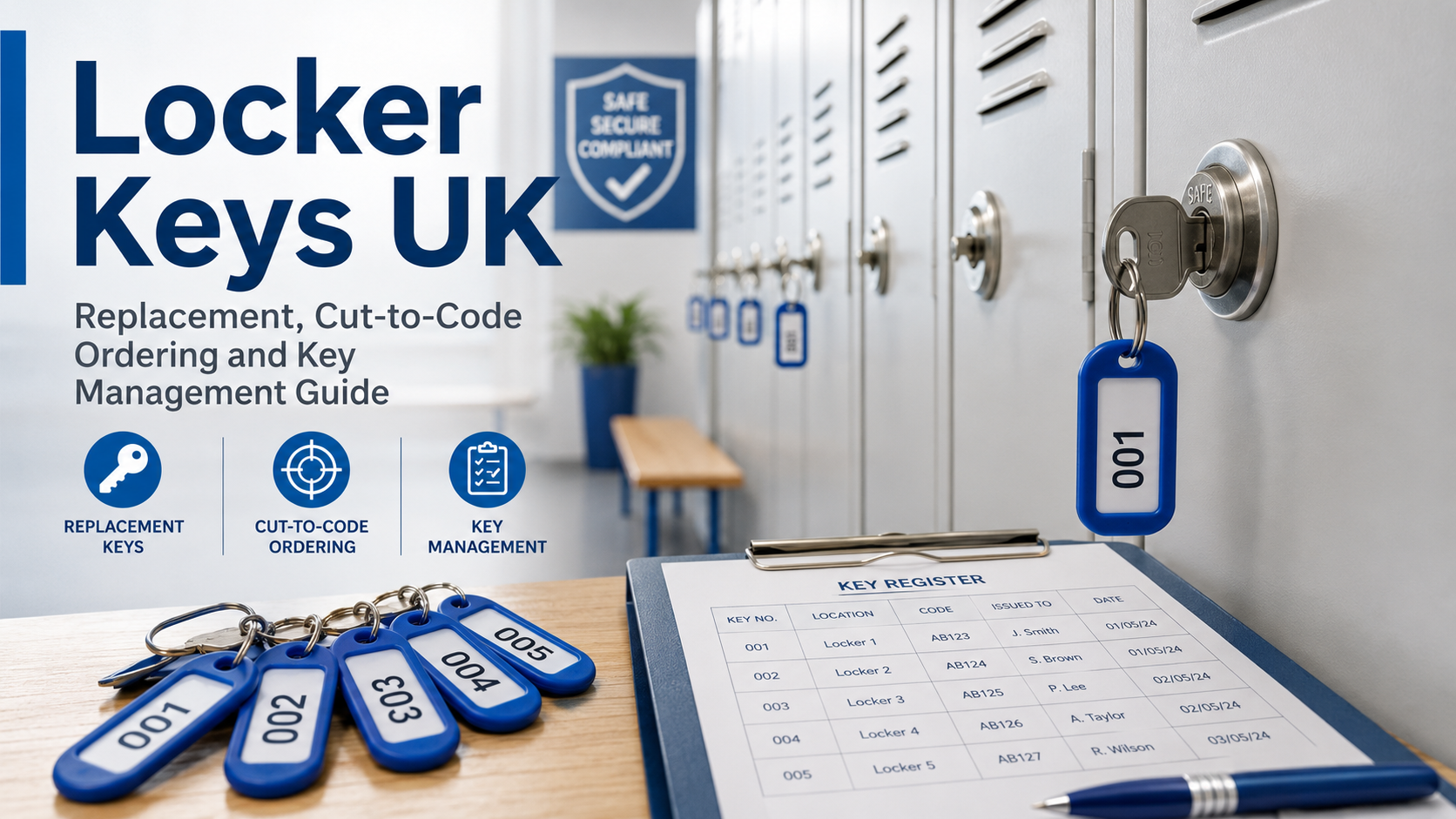
    Staff locker keys with numbered tags, workplace lockers, PPE storage and a key issue register

    Quick Answer: How Should Workplaces Manage Staff Locker Keys?

    Workplaces should manage staff locker keys with a clear issue record, secure spare key storage, controlled master key access and a return process for staff who leave or change roles. Each staff locker should have a visible locker number, a recorded key code and an assigned user or department.

    When a staff locker key is lost, check whether the locker is open or locked, confirm whether a spare key or master key is available, identify the key code and order a replacement key if the lock still works.

    The locker door number is not always the same as the key code. The door number helps staff identify the locker. The key code is used to cut the replacement key.

    For that distinction, read locker key numbers vs locker door numbers.

    Why Staff Locker Key Control Matters

    Staff lockers are part of everyday workplace storage. They may hold coats, bags, uniforms, PPE, safety boots, personal items, tools or work equipment. In some workplaces, staff cannot begin a shift until they can access their locker.

    A missing key can therefore create more than a small admin problem. It can delay a shift, affect welfare provision, leave equipment inaccessible and increase pressure on supervisors or facilities teams.

    Good locker key control helps workplaces keep lockers available, reduce unnecessary lock changes and support clear accountability. It also helps when employees move departments, change shifts or leave the organisation.

    • Staff can access belongings, uniforms and PPE when needed.
    • Facilities teams can identify key codes quickly.
    • Replacement keys can be ordered without changing working locks.
    • Spare keys and master keys stay secure.
    • Leavers return keys before lockers are reassigned.
    • Old records are updated when locks are changed.

    Common Workplace Locker Key Problems

    Most workplace locker key problems are caused by missing records, staff changes or heavy daily use. These issues are common in warehouses, factories, offices, healthcare sites, schools, gyms and public buildings.

    • Staff lose locker keys during shifts.
    • Keys are taken home and not returned.
    • Leavers fail to hand keys back.
    • Locker numbers are confused with key codes.
    • Spare keys are stored in different places.
    • Master key access is not controlled.
    • Old records do not match current locks.
    • Worn keys snap or stop turning smoothly.
    • Locks are replaced without updating the register.

    These problems are easier to manage when the workplace has one clear staff locker key register and a simple replacement process.

    Issuing Staff Locker Keys

    Staff locker keys should be issued with a record. The record should show who has the key, which locker it belongs to, when it was issued and what should happen if the key is lost or not returned.

    Before issuing a locker, check that the lock works smoothly. The key should turn without force, the door should close properly and the locker number should match the workplace record.

    Where lockers are assigned permanently, record the employee name, department, locker number, key code and issue date. Where lockers are assigned to departments or shifts, record the team or role rather than only the individual user.

    Key tags should usually show the visible locker number. The actual key code should be held in the workplace register. This helps staff identify their locker without exposing unnecessary lock code information.

    Issue record fieldExampleWhy it matters
    Employee or departmentJ Smith / Warehouse TeamShows who is responsible for the key
    Locker number126Identifies the visible locker door
    Key codeB2187Used for replacement key ordering
    Lock brandHelmsmanHelps match the correct key range
    Issue date03/09/24Shows when the key was issued
    Return statusReturned / missingSupports leaver and reassignment checks

    For a full register structure, read how to build a locker key register.

    Staff Locker Key Register

    A staff locker key register is the main control document. It should be easy to update and simple enough for facilities, HR, supervisors or site managers to use.

    The most important rule is to keep the visible locker number and the actual key code in separate fields. They may match, but they should not be treated as the same thing unless confirmed.

    • Visible locker number.
    • Actual key number or lock code.
    • Lock brand, where known.
    • Locker location.
    • Employee, department or shift group.
    • Issue date.
    • Return date.
    • Spare key location.
    • Master key group, if relevant.
    • Notes for damaged locks, replaced locks or missing keys.

    The register should be updated whenever a lock is changed. If the old key code remains in the register after a lock replacement, future replacement orders may be wrong.

    For number confusion, read locker key numbers vs locker door numbers.

    Where to Find the Key Code for a Staff Locker

    The key code may be found on the original key, the lock face, the lock barrel, the staff locker register, a spare key tag, old invoices or previous replacement key orders.

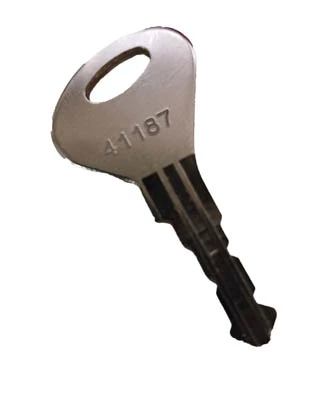
    If the key is available, check both sides. Many locker keys have a stamped or engraved code on the head of the key. If the original key is missing, check the lock face for numbers around the keyway.

    If the locker door is open, inspect the lock barrel or rear of the lock. Some markings are only visible from inside the door. If the code is unclear, take clear photos before ordering.

    • Original locker key.
    • Lock face or keyway.
    • Lock barrel.
    • Spare key tag.
    • Staff locker register.
    • Old invoices or ordering records.
    • Maintenance records.

    For a step-by-step guide, read where to find a locker key number or lock code.

    Lost Staff Locker Key Procedure

    A lost staff locker key should follow a clear process. This helps the workplace restore access without damaging the locker or creating security issues.

    First, check whether the locker is open or locked. If it is open, keep it open until a replacement key is arranged. If it is locked and the staff member needs access, check whether an authorised spare key or master key is available.

    Second, confirm the key code. Check the staff locker register, lock face, spare key record or previous orders. Do not assume the door number is the key code.

    Third, decide whether to order a replacement key or replace the lock. If the lock still works and the code is known, replacement key ordering is usually the simplest route. If the lock is damaged or the missing key creates a security risk, lock replacement may be better.

    1. Confirm which staff member or department uses the locker.
    2. Check whether the locker is open or locked.
    3. Use an authorised spare key or master key if urgent access is needed.
    4. Find the key number or lock code.
    5. Check whether the lock still works smoothly.
    6. Order a replacement key if the code is known.
    7. Replace the lock only when the lock is damaged, insecure or impossible to identify.
    8. Update the staff locker key register.

    For a wider lost key process, read lost locker key: what schools, gyms and workplaces should do.

    Replacement Staff Locker Keys

    Replacement staff locker keys can often be cut to code. This means the replacement key is made from the key number or lock code rather than copied from the original key.

    This is useful when the original key has been lost, taken home, broken or not returned by a leaver. If the lock still works and the correct code is known, the workplace may not need to replace the full lock.

    Before ordering, confirm the key code, lock brand, visible locker number and quantity required. Include any letters, prefixes or leading zeros. A code such as AB012 may not be the same as AB12.

    If the code is unclear, take photographs of the key, lock face, keyway and locker door. This helps avoid wrong replacement orders.

    Total Locker Service supplies replacement locker keys cut to code for many common locker systems. For a process explanation, read replacement locker keys cut to code: what it means.

    When Should a Workplace Replace the Lock Instead?

    A replacement key is not always the correct solution. The full locker lock should be replaced when the lock is damaged, insecure, worn or impossible to identify.

    Lock replacement may also be better when a key has been stolen with identifying details, when the locker contains sensitive items, or when the workplace needs to reset access before reassigning the locker.

    • The lock barrel is loose.
    • The keyway is worn, blocked or damaged.
    • The lock does not turn smoothly.
    • The cam does not secure the door properly.
    • The key code cannot be found.
    • The missing key creates a security risk.
    • The locker is being reassigned after a staff issue.
    • The lock is old, obsolete or inconsistent with the rest of the site.

    For maintenance support, read worn locker keys and stiff locks: repair or replace? and broken locker key: what to do before replacing the lock.

    Leavers and Staff Locker Key Returns

    Staff leavers are one of the main points where locker key control can fail. If keys are not collected before an employee leaves, the workplace may lose track of the locker, the key code and the contents.

    The key return process should be part of the leaver checklist. Before the employee leaves, confirm whether a locker was issued, collect the key, inspect the locker and update the register.

    If the key is missing, decide whether to order a replacement key or change the lock. The decision depends on the risk. If the key is simply missing and the lock code is known, a replacement key may be enough. If the key could still give unauthorised access, lock replacement may be safer.

    Leaver key return checklist

    • Check whether the employee has an assigned locker.
    • Collect the locker key before departure.
    • Inspect the locker before reassignment.
    • Confirm the key code in the register.
    • Record whether the key was returned or missing.
    • Order a replacement key if suitable.
    • Replace the lock if security requires it.
    • Update the locker register before reissuing the locker.

    Spare Keys and Master Keys for Staff Lockers

    Spare keys and master keys help workplaces resolve access issues without damaging lockers. However, they must be controlled carefully.

    A spare key usually opens one locker. A master key may open many lockers in the same system. This makes master key control especially important. A lost master key can create a wider security issue than a lost user key.

    Spare keys should be stored in a secure key cabinet or controlled office. They should not be left loose in drawers, staff rooms or open maintenance areas.

    • Store spare keys securely.
    • Keep master keys separate from everyday key sets.
    • Restrict master key access to authorised staff.
    • Record access where personal belongings are involved.
    • Audit spare keys regularly.
    • Replace missing spare keys before they are needed urgently.

    For more guidance, read locker master keys explained and key cabinets for managing locker keys.

    Staff Storage by Sector

    Staff locker key control varies by workplace. The same basic process applies, but the risks and priorities change by sector.

    Workplace typeCommon storage useKey control priority
    OfficeBags, coats, laptops and personal itemsClear issue and return process
    WarehouseClothing, personal belongings and shift itemsFast access and durable keys
    FactoryPPE, uniforms, boots and toolsReliable access before shifts
    HealthcareUniforms, personal effects and staff changingControlled spare key and master key access
    School staff areasCoats, bags and teaching materialsAccurate assignment records
    Leisure staff areasUniforms, bags and personal itemsClear separation from member locker keys

    Where lockers contain work-critical equipment, the lost key process should be faster and more formal. Staff may need access before a shift can start.

    Staff Locker Key Tags and Numbering

    Key tags make staff locker keys easier to manage. The tag should usually show the visible locker number rather than the full key code. The actual key code should be kept in the register for replacement ordering.

    Use durable tags that do not crack, fade or detach easily. In workplaces with heavy use, weak split rings or poor labels can lead to lost keys even when staff handle them responsibly.

    Avoid adding unnecessary personal details to key tags. A locker number or internal reference is usually enough. Personal names on tags can create avoidable privacy and security concerns.

    For accessories, read locker key tags, number discs and wrist straps explained.

    Bulk Replacement Staff Locker Keys

    Bulk replacement is useful when several staff locker keys are missing, worn or unrecorded. This can happen after a site move, refurbishment, department change or annual audit.

    A bulk replacement list should include the visible locker number, actual key code, lock brand, quantity required and any uncertainty. Separate confirmed codes from unclear codes.

    Locker numberKey codeLock brandQuantityNotes
    024E5023Lowe & Fletcher2Warehouse changing
    126B2187Helmsman1Staff room
    157D4055Ojmar2Code confirmed
    210AB124Probe1Leaver key missing

    For larger orders, read bulk replacement locker keys for schools and workplaces.

    How to Reduce Lost Staff Locker Keys

    Workplaces can reduce lost staff locker keys by making the system easy to follow. Most improvements are simple: clearer records, better tags, secure spare keys and consistent leaver checks.

    • Record the key code before the key is lost.
    • Use durable numbered key tags.
    • Keep spare keys in a secure key cabinet.
    • Limit master key access to authorised staff.
    • Include locker keys in leaver checklists.
    • Inspect lockers before reassignment.
    • Replace worn keys before they snap.
    • Update the register when locks are changed.
    • Audit staff locker keys regularly.
    • Train supervisors and facilities staff on the process.

    For wider audit support, read the locker key audit checklist for facilities managers.

    Staff Locker Key Control Table

    SituationBest actionUseful guide
    Staff member loses a locker keyCheck the register, spare key and lock code before replacing the lockLost locker key guide
    Employee leaves without returning a keyReview risk, order replacement key or replace the lockReplacement keys cut to code
    Door number and key code differRecord both fields separatelyKey number vs door number
    Key code is unclearCheck key, lock face, barrel and old recordsFind a key number
    Master key is neededUse authorised staff only and store the key securelyMaster keys explained
    Many keys are missingPrepare a bulk replacement listBulk replacement keys

    This article is part of the locker keys canister. Use these guides to support staff locker key replacement, lost key procedures, key identification and long-term key control.

    Ordering Replacement Staff Locker Keys

    Staff locker keys are easier to replace when the key code is recorded before the key is lost. If the lock still works and the correct code is known, a replacement key can often be cut to code without changing the full lock.

    Before ordering, confirm the key code, lock brand, locker number and quantity required. If the code is unclear, take clear photographs of the lock face, keyway, key and any markings.

    For direct ordering, visit Total Locker Service: Locker Keys and Replacement Locker Keys.

    Staff Locker Keys FAQs

    How should workplaces manage staff locker keys?

    Workplaces should manage staff locker keys with a clear key register, secure spare key storage, controlled master key access and a return process for staff who leave or change lockers.

    Can staff locker keys be replaced without changing the lock?

    Yes. Many staff locker keys can be replaced without changing the lock when the correct key number or lock code is known and the lock still works.

    Where is the key code for a staff locker?

    The key code may be stamped on the key, shown on the lock face, marked on the lock barrel, listed on a spare key tag or recorded in the staff locker key register.

    Is the staff locker number the same as the key code?

    Not always. The locker number identifies the visible locker door. The key code identifies the lock and is used to cut a replacement key.

    What should a workplace do when an employee leaves without returning a locker key?

    The workplace should inspect the locker, check the key code, assess the security risk and either order a replacement key or replace the lock before reassigning the locker.

    When should a staff locker lock be replaced?

    A staff locker lock should be replaced if it is damaged, stiff, insecure, impossible to identify or if a missing key creates a security risk.

    How can workplaces reduce lost staff locker keys?

    Workplaces can reduce lost staff locker keys by using durable tags, keeping accurate key records, storing spare keys securely, including key returns in leaver checks and auditing lockers regularly.
  • Locker Keys UK: Replacement, Cut-to-Code Ordering and Key Management Guide

    Locker Keys UK: Replacement, Cut-to-Code Ordering and Key Management Guide

    Locker Keys UK: Replacement, Cut-to-Code Ordering and Key Management Guide

    The good news is that many locker key problems can be solved without replacing the whole lock. When the correct key number, lock number or code is available, a replacement locker key can often be cut to code. This means the new key is made from the lock code rather than copied from the original key.

    This guide explains how locker keys work, where to find the key number, how replacement keys are ordered and how schools, gyms, workplaces and facilities teams can reduce lost key problems. For direct ordering support, visit Total Locker Service for replacement locker keys cut to code.

    Quick answer: how do you replace locker keys?

    Most locker keys can be replaced when the correct key number, lock number or manufacturer code is known. The code may be stamped on the original key, shown on the lock face, recorded on a spare key schedule or listed in a site key register. Once the code is confirmed, a replacement key can usually be cut to match the existing lock.

    This is normally faster and cheaper than changing the full locker lock. It is especially useful for schools, gyms, leisure centres and workplaces that manage large numbers of lockers. If the lock still works and the code is known, replacing the key is usually the most practical solution.

    For a deeper explanation of the process, read our supporting guide to replacement locker keys cut to code, or order directly from Total Locker Service using the replacement locker keys page.

    What are locker keys?

    Locker keys are cut to operate specific locker locks. Each key has a blade profile and cut pattern that matches a lock barrel. Many commercial locker locks use numbered key series, which allows replacement keys to be produced from a code.

    A locker key is not always linked to the visible locker number on the door. The door number helps users find their compartment. The key number identifies the lock or key series. These two numbers can be the same, but they often are not. This is one of the most common causes of incorrect replacement key orders.

    For example, a locker door may show number 42, but the key code may be 62731, A124 or another manufacturer-specific number. Ordering key 42 may not work unless 42 is also the key code. Before ordering, always confirm whether the number belongs to the door, the key or the lock.

    If this is a common issue on your site, use our guide to locker key numbers vs locker door numbers. It explains how to separate user-facing locker numbers from the lock codes needed for replacement key cutting.

    Why locker keys are still widely used

    Keyed locker locks remain popular because they are simple. They do not need batteries, software, apps, Wi-Fi, cards or electronic programming. A user inserts the key, turns the lock and secures the door. For many sites, that simplicity is a major advantage.

    Schools often choose keyed lockers because pupils can understand the system quickly. Workplaces use them because staff lockers are usually assigned to individual users. Gyms and leisure centres use them because traditional key systems are familiar and easy for reception teams to manage.

    Keyed locks can also be cost-effective across large locker installations. A site with hundreds of lockers may not want to replace a complete lock every time a key is lost. If replacement locker keys can be ordered by code, the locker can usually return to service without a full repair.

    That does not mean keyed locks are always the best option. In some busy shared-use areas, combination locks, coin locks, RFID locks or electronic locker locks may be better. However, where a site wants a simple, low-maintenance and familiar access method, locker keys still work well.

    For comparison, read our guide to locker keys vs combination locks and our guide to locker keys vs RFID locks.

    Where to find a locker key code

    The locker key code is the most important detail when ordering a replacement key. It tells the supplier which cut pattern is required. Without the correct code, the wrong key may be produced, even if the locker number seems correct.

    The first place to check is the original key. Many locker keys have a code stamped or engraved into the head of the key. This may be a number, a letter and number combination, or a code linked to a specific lock manufacturer.

    The second place to check is the lock face. Some locker locks show the key number or lock number around the barrel. Use good lighting and inspect the lock carefully, as older numbers may be worn or partly hidden.

    The third place to check is the lock barrel or cam area. In some cases, the number may only be visible when the locker door is open. Site maintenance teams may need to inspect the lock from the inside of the door.

    The fourth place to check is the site key record. Schools, gyms and workplaces often hold a key schedule, locker allocation list or spreadsheet. This may show which key code belongs to each locker.

    The fifth place to check is the spare key set. A key cabinet, spare key board or facilities office may hold labelled spare keys. These can help confirm the correct code before a replacement order is placed.

    For a step-by-step identification guide, read where to find a locker key number or lock code.

    What to do when the code is unclear

    If the locker key code is unclear, do not guess. A worn number can easily be misread. A 6 can look like an 8. A 1 can look like a 7. The letter O can be mistaken for zero. Some key codes also include prefixes that must be included when ordering.

    Take clear photos before ordering. Photograph the key, the lock face, the full locker door and any brand markings. If possible, photograph both sides of the key. Good images can help identify the lock range and reduce the chance of ordering the wrong replacement key.

    If the key is missing and the lock face has no visible number, check old invoices, locker installation records and spare key schedules. A previous supplier record may show the original lock series or key range.

    Where identification is not possible, the lock may need to be replaced. This is more likely with old, damaged or obsolete locker locks. However, it is still worth checking the code carefully before deciding that a full lock replacement is needed.

    How cut-to-code replacement locker keys work

    Cut-to-code replacement means the new locker key is made from the lock code rather than copied from the original key. This is useful when the original key has been lost, snapped, worn or taken away by a user.

    With standard key duplication, the original key is placed into a cutting machine and copied. That process only works when the original key is available and in good condition. With cut-to-code key replacement, the supplier uses the code to identify the correct cut pattern.

    This is why recording key codes is so valuable. A well-managed site can order replacements without removing locks, drilling doors or waiting for a major repair. The locker remains part of the existing system and can return to use quickly.

    Cut-to-code replacement is particularly useful for large locker sites. A school with 500 pupil lockers, a gym with busy changing rooms or a workplace with several staff locker areas will save time if key codes are recorded properly.

    Total Locker Service supplies replacement locker keys cut to code for many common locker and lock brands. The ordering process is simplest when the key code and lock brand are known.

    Are locker keys universal?

    No. Locker keys are not universal. Two keys may look similar but still belong to different key profiles, lock ranges or manufacturers. A key from one locker brand may not enter another lock, even when the visible code seems similar.

    Commercial locker locks can vary by blade profile, keyway, length, cut depth and code series. Some locker manufacturers use locks made by separate lock suppliers. This means the locker brand and lock brand are not always the same.

    For example, a locker may have been made by one manufacturer but fitted with a lock from another. In that case, the replacement key must match the lock and code series, not just the locker cabinet.

    This matters when ordering replacement locker keys. Provide the key code, lock brand, locker brand and clear photos where possible. The more precise the information, the lower the risk of receiving a key that does not fit.

    For more detail, read are locker keys universal?.

    Common locker key and lock brands

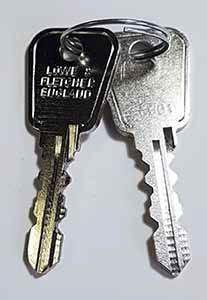
    Locker installations across the UK may include locks and keys from several manufacturers and ranges. Common names include Probe, Helmsman, Lowe & Fletcher, Ojmar, ASSA, Link, Garran, Pure, Ronis and other commercial locker lock systems.

    Some names refer to locker manufacturers. Others refer to lock manufacturers. This can create confusion because the visible locker brand may not be the same as the lock brand. A site may describe the locker by the cabinet supplier, while the replacement key must match the lock barrel fitted to the door.

    When a key is missing, record everything visible. Check the key head, lock face, locker frame, locker door, old invoices and maintenance notes. If the lock is part of a larger master-keyed system, make sure that is recorded too.

    This is especially important for older installations. A site may have replaced some locks over time, leaving mixed lock ranges across the same changing room or corridor. A proper key audit can identify these differences before a bulk order is placed.

    What to do when a locker key is lost

    A lost locker key should be handled in a controlled way. Do not force the locker door unless there is an urgent safety or security reason. Forced entry can damage the door, bend the cam, mark the frame or turn a simple key issue into a larger repair.

    First, confirm whether the locker is locked or open. If the door is open, keep it open and stop further use until the replacement key has been arranged. This avoids locking the locker again with no key available.

    Second, check whether the user may still have the key. Many lost locker keys are later found in bags, coat pockets, changing areas, reception desks, vehicles or classrooms. A short search may avoid unnecessary action.

    Third, check whether a spare key or master key is available. A master key may allow authorised staff to open the locker without damage. Spare keys should be kept securely and recorded when used.

    Fourth, identify the key code. Check the lock face, key register, spare key schedule and any old records. If the code is clear, order a replacement key. If it is not clear, take photos and ask for identification support.

    For a full process, read lost locker key: what schools, gyms and workplaces should do.

    Replacement key or replacement lock?

    A replacement key is usually the best option when the lock is working, the code is known and there is no security concern. It is faster, cheaper and less disruptive than replacing the complete lock. It also keeps the locker within the existing key system.

    However, a replacement key is not always the correct solution. The lock should be replaced if the barrel is damaged, the cam is bent, the keyway is worn or the lock does not turn smoothly. A new key will not repair a faulty mechanism.

    The lock should also be replaced if security has been compromised. If a key has been stolen with identifying information, or if there is a realistic risk of unauthorised access, changing the lock may be safer than simply replacing the missing key.

    Replacement may also be sensible when the lock code cannot be identified, when the lock range is obsolete or when a refurbishment is already planned. In those cases, updating the lock system may improve future maintenance.

    For maintenance guidance, read worn locker keys and stiff locks: repair or replace? and broken locker key: what to do before replacing the lock.

    School locker keys

    Schools often have high locker key turnover. Pupils move between classrooms, changing rooms, sports areas and buses. Keys can be lost, swapped, taken home, damaged or left in bags. Without a clear system, a small number of missing keys can quickly become a regular site-management problem.

    A school locker key system should be simple and consistent. Each locker should have a clear door number. Each key should have a matching user-facing tag. The actual key code should be recorded separately in the site key register. Spare keys should be controlled by authorised staff.

    At the start of term, keys should be issued with a record of the pupil, locker number, issue date and any deposit or return requirement. At the end of term or academic year, keys should be collected before lockers are reassigned.

    Schools should avoid putting personal details on key tags. A locker number is usually enough. If a key is found, staff can match the locker number to the internal record without exposing pupil information.

    For more detailed school guidance, read school locker keys: replacement and key control guide and how to reduce lost locker keys in schools.

    Gym and leisure centre locker keys

    Gyms and leisure centres have different locker key pressures from schools and workplaces. Many lockers are used for short periods by members, visitors or casual users. Keys may be attached to wrist straps, number discs or fobs. In wet areas, key accessories need to cope with water, chlorine, repeated handling and daily cleaning routines.

    Lost keys can be disruptive in a busy leisure site. A locked locker may hold a visitor’s clothing, phone, wallet or car key. Staff need a quick and controlled process for opening the locker, confirming ownership and returning the locker to service.

    Durable key tags and wrist straps help reduce loss. Clear numbering helps staff identify the correct locker quickly. Spare keys and master keys should be kept securely, not left in open drawers or unattended reception areas.

    Where lost keys are a repeated issue, the site may consider deposits, stronger wrist straps, better signage, replacement key procedures or a move to coin, combination, RFID or electronic locks. However, keyed locks can still work well where the site has good records and a reliable replacement process.

    For leisure-sector detail, read gym locker keys: replacement, wrist straps and member access, leisure centre locker keys: managing wet-area key loss and how to reduce lost locker keys in gyms.

    Workplace locker keys

    Workplace lockers are often assigned to individual members of staff. They may be used for clothing, bags, PPE, uniforms, tools, documents or personal items. A lost key can cause delays at the start or end of a shift, especially if workwear or equipment is locked inside.

    Workplaces should treat locker keys as part of staff storage management. When a locker is issued, record the employee name, locker number, key code, issue date and return requirement. When an employee leaves, the key should be collected before the locker is reassigned.

    Industrial and warehouse environments may place extra strain on locker keys. Keys can become bent, contaminated, worn or damaged through daily use. If a key becomes stiff, staff should report it rather than forcing it. A snapped key can be harder to resolve than an early replacement.

    For sites with multiple departments, a shared key register helps prevent confusion. It should show which lockers are in use, which are spare, which locks have been changed and which key codes are confirmed.

    For workplace guidance, read workplace locker keys: staff storage and replacement process.

    University and healthcare locker keys

    Universities and colleges often manage lockers across several buildings. Students may use lockers in libraries, sports centres, workshops, laboratories, accommodation areas and departmental spaces. The challenge is scale. A simple key issue becomes harder when lockers are spread across a large campus.

    A central key record helps universities avoid repeated confusion. Each department should know which lockers it controls, which key codes are active and how replacements are ordered. End-of-term audits can identify missing keys before the next intake of students arrives.

    Healthcare sites need controlled staff storage. Locker keys may be used for changing rooms, uniform storage, personal effects and department areas. Spare keys and master keys should be held securely, with access limited to authorised staff.

    In healthcare and care settings, key records should be accurate because staff movement, shift patterns and department changes can quickly make old records unreliable. A key issued to one person may later be used by another unless the schedule is updated.

    For sector-specific support, read university locker keys: managing large key schedules and healthcare locker keys: staff storage and secure control.

    Locker master keys and spare keys

    A master key allows authorised staff to open a group of lockers. This is useful for emergencies, inspections, lost key situations and locker reassignment. Master keys are common in schools, gyms, leisure centres, workplaces and other managed facilities.

    However, master keys must be controlled carefully. A lost user key may affect one locker. A lost master key may affect many lockers. This makes master key security far more important.

    Master keys should be stored in a secure key cabinet or controlled office. Access should be limited to authorised staff. Use should be recorded, especially when a locker is opened because a user has lost a key.

    Spare keys also need control. They should be labelled clearly, stored securely and checked during audits. A spare key system is useful only if staff can find the correct key quickly and know when it has been removed.

    For more detail, read locker master keys explained and key cabinets for managing locker keys.

    How to build a locker key register

    A locker key register is one of the simplest ways to reduce future problems. It does not need to be complex. A spreadsheet is enough for many sites, provided it is kept up to date.

    The register should include the locker number, key code, lock brand, locker location, key holder, issue date, return date, spare key location and notes. If the lock is replaced, the register must be updated immediately. Old key codes should not remain attached to lockers that now have different locks.

    Large sites may also record the locker block, floor, department, room, master key group and supplier details. This helps when several locker ranges are installed across different areas.

    A good key register saves time. It allows staff to order replacement keys without searching through old paperwork or guessing from worn numbers. It also makes audits easier because missing keys, unused lockers and changed locks can be identified quickly.

    For a practical structure, read how to build a locker key register and locker key audit checklist for facilities managers.

    Bulk replacement locker keys

    Bulk replacement is useful when many keys are missing, worn or unrecorded. Schools may order replacement keys before a new academic year. Gyms may refresh key sets during a changing room update. Workplaces may review staff locker keys after a site move or department restructure.

    Before placing a bulk order, prepare a clean list. Include the key code, locker number, lock brand, quantity required and any uncertainty. Separate confirmed codes from unclear codes. Take photos of any locks where the code is difficult to read.

    Bulk ordering is also a good moment to improve the key system. When the replacement keys arrive, update the register, relabel any unclear fobs and remove obsolete records. The aim is not only to replace missing keys, but to make the next order easier.

    For larger sites, read bulk replacement locker keys for schools and workplaces, then order from Total Locker Service using the locker key replacement service.

    Locker key tags, number discs and wrist straps

    Locker keys are easier to manage when they are attached to the right accessories. Number discs help users and staff identify a key quickly. Key fobs provide a larger surface for numbering. Wrist straps are useful in leisure centres, gyms, swimming pools and wet changing areas.

    The accessory should match the environment. Wet areas need materials that can cope with water and repeated handling. Schools need durable tags that can survive daily pupil use. Workplaces may need simple numbered fobs that match a staff locker record.

    Avoid weak split rings, cracked tags and unclear numbering. A key that separates from its tag is harder to identify and easier to lose. A small accessory failure can create a larger access problem.

    For accessory guidance, read locker key tags, number discs and wrist straps explained.

    Common mistakes when ordering locker keys

    The most common mistake is ordering from the locker door number instead of the key code. The door number helps users find their locker. The key code tells the supplier how to cut the replacement key. Always check which number you are using.

    Another common mistake is misreading a worn code. Letters and numbers can be confused, especially on old keys or lock faces. If the marking is unclear, take a photo and check before ordering.

    Some sites also assume all lockers in one room use the same key series. This may not be true. Locks may have been replaced over time, or several locker ranges may have been installed in the same building.

    Master key compatibility is another issue. If your lockers form part of a master-keyed system, do not ignore that detail. Replacement keys need to work correctly with the existing lock arrangement.

    For a full checklist, read common mistakes when ordering locker keys.

    Locker key management checklist

    • Record every locker number.
    • Record every key code.
    • Record the lock brand where known.
    • Keep spare keys secure.
    • Control master key access.
    • Use clear number discs, fobs or wrist straps.
    • Replace damaged tags early.
    • Replace worn keys before they snap.
    • Train staff on the lost key process.
    • Audit keys regularly.
    • Update records when locks are changed.
    • Photograph unclear lock codes before ordering.
    • Order replacement keys before lockers are urgently needed.
    • Review whether high-loss areas need a different lock type.

    Best approach by sector

    SectorMain locker key issueRecommended approachSupporting guide
    SchoolsLost pupil keys and end-of-year returnsUse a key register, secure spare keys and termly auditsSchool locker keys
    GymsHigh user turnover and missing wrist strapsUse durable tags, clear numbering and fast replacement proceduresGym locker keys
    Leisure centresWet-area key loss and heavy daily useUse water-resistant accessories and controlled spare keysLeisure centre locker keys
    WorkplacesStaff changes and assigned lockersRecord issue dates, returns and key codesWorkplace locker keys
    UniversitiesLarge multi-site locker systemsUse department-level records and yearly auditsUniversity locker keys
    HealthcareControlled staff access and secure storageLimit spare key access and maintain accurate recordsHealthcare locker keys

    Supporting locker key guides

    The guides below explain specific locker key problems, including lost keys, key numbers, lock codes, school locker keys, gym locker keys, workplace key control and bulk replacement orders.

    When to order replacement locker keys

    Order replacement locker keys when the lock still works, the key code is known and there is no reason to replace the full lock. This is the most efficient route for many lost-key situations. It keeps the locker in use, avoids unnecessary parts and reduces maintenance time.

    You should also order spare keys before they are urgently needed. Waiting until a locker is locked shut can create pressure for staff and users. A small set of spare keys, stored securely and recorded properly, can prevent disruption.

    For larger sites, review your key records at regular intervals. Schools may do this before the start of term. Leisure centres may do it before peak season. Workplaces may do it after staff changes, site moves or refurbishment work.

    When ready to order, use the Total Locker Service page for replacement locker keys. Prepare the key code, lock brand, quantity and any supporting photos before ordering.

    Conclusion

    Locker keys remain one of the simplest and most practical ways to control locker access. They are familiar, cost-effective and easy to support when the correct records are kept. Most problems happen when key numbers are not recorded, door numbers are mistaken for key codes, spare keys are poorly controlled or worn keys are left until they fail.

    A better locker key system does not need to be complicated. Record the key code, keep spare keys secure, use clear tags, control master keys and audit the system regularly. These steps reduce lost key problems and help keep lockers available for users.

    For direct replacement support, visit Total Locker Service to order locker keys cut to code.

    Frequently asked questions about locker keys

    Can locker keys be replaced without the original key?

    Yes. Many locker keys can be replaced without the original key when the correct key number, lock number or manufacturer code is known. The replacement key is cut to code rather than copied from the original.

    Where is the locker key number?

    The key number may be stamped on the key, shown on the lock face, marked on the lock barrel or recorded in the site key register. It is not always the same as the locker door number.

    Are locker keys universal?

    No. Locker keys are not universal. They vary by lock brand, key profile, cut pattern and code series. A key that looks similar may still not fit the lock.

    Is the locker number the same as the key number?

    Not always. The locker number usually identifies the door or compartment. The key number identifies the lock code needed to cut the replacement key.

    What should I do if the locker key code is worn away?

    Check the lock face, lock barrel, spare key records and old site paperwork. Take clear photos of the lock and key if available. A specialist supplier may be able to identify the correct range.

    Is it cheaper to replace a locker key or the full lock?

    Replacing the key is usually cheaper and faster when the lock is working and the code is known. Replace the lock when it is damaged, insecure, obsolete or impossible to identify.

    How can schools reduce lost locker keys?

    Schools can reduce lost locker keys by recording key codes, using clear number tags, holding spare keys securely, collecting keys at the end of term and auditing lockers before reassignment.

    How can gyms reduce lost locker keys?

    Gyms can reduce lost locker keys by using durable wrist straps, clear number discs, controlled spare keys, simple member procedures and fast replacement ordering when keys are missing.

  • Locker Keys: Everything You Need to Know

    Locker Keys: Everything You Need to Know

    Locker Keys. Lost your locker keys again? Don’t panic! Replacement locker keys are more accessible than you might think. Furthermore, understanding the replacement process saves time, money, and unnecessary stress. This comprehensive guide covers everything you need to know about obtaining new locker keys quickly and efficiently.

    Why Locker Keys Go Missing So Frequently

    Modern life moves fast, and locker keys often become casualties of busy schedules. Additionally, small keys easily slip from pockets or get buried in bags. Moreover, shared facilities see higher key loss rates due to multiple users and frequent handling.

    Furthermore, traditional locker keys lack distinctive features that make them memorable. Consequently, people often forget which key belongs to which locker. Therefore, understanding common loss scenarios helps prevent future incidents.

    Locker keys

    The Hidden Costs of Lost Locker Keys

    Missing locker keys create more problems than simple inconvenience. Firstly, replacement costs can accumulate quickly in commercial settings. Additionally, lost keys compromise security for all facility users.

    Moreover, emergency lockout situations disrupt daily routines significantly. Students miss classes, employees lose productivity, and gym members skip workouts. Furthermore, forced entry damages locker mechanisms, creating additional repair expenses.

    Consequently, proactive key management strategies reduce these hidden costs effectively. Therefore, understanding replacement options becomes essential for facility managers and regular users alike.

    Understanding Different Types of Locker Keys

    Not all locker keys are created equal. Various locking mechanisms require specific key types and replacement procedures. Additionally, understanding your lock type streamlines the replacement process significantly.

    Standard Metal Locker Keys

    Traditional metal locker keys remain the most common type in schools and workplaces. These keys feature simple designs with basic security measures. Additionally, standard keys typically use common blanks available at most key cutting services.

    Moreover, metal locker keys are relatively inexpensive to replace. However, security levels remain limited compared to modern alternatives. Furthermore, master key systems create additional complexity for replacement procedures.

    Coin-Operated Locker Keys

    Public facilities often use coin-operated systems with specialised locker keys. These mechanisms require specific key types designed for each manufacturer. Additionally, replacement procedures vary significantly between different coin-lock systems.

    Moreover, unauthorised key cutting can damage coin-operated mechanisms. Therefore, only authorised suppliers should provide replacement coin-locker keys. Furthermore, some systems require programming or calibration after key replacement.

    Electronic and Smart Locker Keys

    Modern facilities increasingly adopt electronic locking systems. These systems may use key cards, fobs, or smartphone apps instead of traditional locker keys. Additionally, electronic systems offer enhanced security and user tracking capabilities.

    Moreover, replacement procedures for electronic keys differ significantly from mechanical systems. However, electronic keys often provide faster replacement and better access control. Furthermore, lost electronic keys can be deactivated remotely for enhanced security.

    Where to Get Replacement Locker Keys

    Finding reliable sources for replacement locker keys requires careful consideration. Additionally, quality and compatibility vary significantly between suppliers. Moreover, choosing the wrong provider can result in poorly fitting or non-functional keys.

    Authorised Locker Manufacturers

    Original equipment manufacturers provide the highest quality replacement locker keys. Additionally, OEM keys guarantee perfect compatibility with existing locks. Moreover, manufacturer warranties protect against defective replacements.

    However, OEM keys typically cost more than alternative sources. Furthermore, delivery times may be longer due to manufacturing processes. Nevertheless, OEM quality often justifies the additional investment for critical applications.

    Professional Key Cutting Services

    Local key cutting services offer convenient replacement options for standard locker keys. Additionally, professional services typically provide faster turnaround times. Moreover, experienced technicians ensure proper key cutting and testing.

    However, not all key cutters work with specialised locker keys. Furthermore, quality varies significantly between different service providers. Therefore, choosing experienced professionals becomes essential for satisfactory results.

    Online Key Replacement Services

    Internet-based suppliers offer convenient ordering and delivery options. Additionally, online services often provide competitive pricing for bulk orders. Moreover, detailed product information helps ensure compatibility.

    However, quality assessment becomes more challenging with online purchases. Furthermore, return procedures can be complicated for incorrect orders. Therefore, researching supplier credentials becomes crucial before ordering.

    The Locker Key Replacement Process

    Obtaining replacement locker keys follows specific procedures depending on your situation. Additionally, preparation streamlines the process and ensures satisfactory outcomes. Moreover, understanding requirements prevents delays and additional costs.

    Information You’ll Need

    Successful key replacement requires specific information about your locker system. Firstly, lock manufacturer details help identify compatible key blanks. Additionally, model numbers ensure exact specifications matching.

    Moreover, existing key samples provide templates for accurate cutting. However, damaged keys may require alternative identification methods. Furthermore, locker serial numbers can help manufacturers provide correct specifications.

    Documentation Requirements

    Commercial facilities often require documentation before authorising replacement locker keys. Additionally, proof of authorisation prevents unauthorised key duplication. Moreover, proper documentation protects facility security and user privacy.

    Furthermore, educational institutions typically require student identification and facility registration. Similarly, workplace lockers may need employee verification and supervisor approval. Therefore, gathering required documents before starting saves significant time.

    Timing and Turnaround

    Replacement timeframes vary significantly depending on key type and supplier. Standard locker keys often receive same-day service from local providers. Additionally, common key blanks enable immediate cutting and testing.

    However, specialised locker keys may require longer production times. Furthermore, custom keys or unusual specifications can extend delivery schedules. Therefore, planning ahead prevents emergency situations and rushed orders.

    Cost Factors for Replacement Locker Keys

    Understanding pricing structures helps budget for replacement locker keys effectively. Additionally, various factors influence final costs beyond basic key cutting. Moreover, comparing options ensures value for money without compromising quality.

    Basic Key Cutting Costs

    Standard locker keys typically cost £3-8 per key for basic cutting services. Additionally, common key blanks keep material costs reasonable. Moreover, bulk orders often receive significant discounts.

    However, complex keys or unusual blanks increase material costs. Furthermore, specialised cutting equipment may command premium pricing. Therefore, obtaining quotes from multiple suppliers ensures competitive pricing.

    Emergency Service Premiums

    Urgent replacement requests often incur additional charges. Same-day service typically adds 25-50% to standard pricing. Additionally, after-hours service commands even higher premiums.

    Moreover, emergency lockout services combine key cutting with lock manipulation. These comprehensive services cost £50-150 depending on complexity. However, emergency services provide immediate access when time is critical.

    Bulk Order Advantages

    Large organisations benefit from bulk replacement pricing. Additionally, volume discounts can reduce per-key costs by 30-50%. Moreover, bulk orders often include free delivery and extended warranties.

    Furthermore, establishing ongoing relationships with suppliers provides additional benefits. Regular customers often receive priority service and preferential pricing. Therefore, consolidating orders maximises cost savings effectively.

    Quality Considerations for Replacement Locker Keys

    Not all replacement locker keys offer equal performance and longevity. Additionally, poor-quality keys can damage locks and create security vulnerabilities. Moreover, understanding quality indicators helps ensure satisfactory purchases.

    Material Standards

    High-quality locker keys use properly hardened metals for durability. Additionally, correct material specifications ensure smooth operation and long service life. Moreover, quality materials resist wear and corrosion effectively.

    However, substandard materials may cause premature failure or lock damage. Furthermore, incorrect hardness levels can result in key breakage or excessive wear. Therefore, specifying quality materials protects both keys and locks.

    Cutting Precision

    Accurate key cutting ensures proper lock operation and security. Additionally, precise cuts prevent binding, sticking, or difficult operation. Moreover, quality cutting reduces wear on both keys and lock mechanisms.

    However, imprecise cutting can damage locks or create security vulnerabilities. Furthermore, poor cutting may require lock adjustment or replacement. Therefore, choosing experienced professionals ensures satisfactory results.

    Testing and Validation

    Quality suppliers test replacement locker keys before delivery. Additionally, proper testing ensures smooth operation and correct fit. Moreover, validation procedures identify potential problems before installation.

    However, inadequate testing can result in non-functional keys. Furthermore, untested keys may cause lock damage during first use. Therefore, insisting on proper testing protects your investment effectively.

    Security Implications of Replacement Locker Keys

    Replacement procedures can impact facility security if not managed properly. Additionally, unauthorised key duplication creates significant security risks. Moreover, proper procedures protect both individual users and facility integrity.

    Authorisation Procedures

    Legitimate replacement requests require proper authorisation from facility management. Additionally, verification procedures prevent unauthorised access to secure areas. Moreover, documentation creates audit trails for security monitoring.

    Furthermore, employee verification protects against impersonation attempts. Similarly, student identification prevents unauthorised locker access. Therefore, robust authorisation procedures maintain security standards effectively.

    Key Control Measures

    Professional facilities implement comprehensive key control systems. Additionally, tracking procedures monitor key distribution and return. Moreover, regular audits ensure accountability and security compliance.

    Furthermore, master key systems require enhanced security measures. Consequently, replacement procedures become more complex and restrictive. Therefore, understanding control requirements prevents security breaches.

    Disposal of Old Keys

    Proper disposal of replaced locker keys prevents security vulnerabilities. Additionally, old keys should be destroyed rather than discarded. Moreover, professional destruction ensures complete security protection.

    Furthermore, maintaining records of destroyed keys supports security audits. Similarly, witnessed destruction provides additional verification. Therefore, proper disposal procedures complete the replacement process securely.

    Preventing Future Locker Key Loss

    Proactive measures significantly reduce the need for replacement locker keys. Additionally, simple strategies prevent most common loss scenarios. Moreover, prevention costs far less than frequent replacements.

    Key Organisation Systems

    Organised key storage prevents loss and confusion. Additionally, designated key locations ensure consistent placement. Moreover, labelling systems help identify keys quickly and accurately.

    Furthermore, key rings or chains reduce loss probability significantly. Similarly, distinctive tags or colours aid identification. Therefore, simple organisation measures provide substantial benefits.

    Alternative Locking Systems

    Modern facilities increasingly adopt keyless locking systems. Electronic locks eliminate traditional locker keys entirely. Additionally, smartphone apps provide convenient and secure access.

    Moreover, combination locks remove key loss concerns completely. However, combination sharing can create security issues. Furthermore, forgotten combinations require different reset procedures.

    User Education Programs

    Training users about proper key handling reduces loss incidents. Additionally, awareness programs highlight common loss scenarios. Moreover, education emphasises the costs and inconvenience of replacements.

    Furthermore, regular reminders maintain awareness levels effectively. Similarly, incentive programs reward careful key management. Therefore, education investments pay dividends through reduced replacements.

    Technology Trends in Locker Access

    Traditional locker keys face competition from advancing technologies. Additionally, modern solutions offer enhanced convenience and security. Moreover, understanding trends helps plan future facility upgrades.

    Smartphone Integration

    Mobile apps increasingly replace physical locker keys in modern facilities. Additionally, smartphone access provides convenient and secure operation. Moreover, app-based systems enable remote monitoring and control.

    Furthermore, push notifications remind users about locker contents. Similarly, automatic timers prevent forgotten belongings. Therefore, smartphone integration enhances user experience significantly.

    Biometric Access Systems

    Fingerprint and facial recognition systems eliminate locker keys completely. Additionally, biometric systems provide the highest security levels available. Moreover, users cannot lose or forget biological credentials.

    However, biometric systems require significant initial investments. Furthermore, technical failures can deny legitimate access. Therefore, backup access methods remain necessary for reliability.

    RFID and NFC Technologies

    Radio frequency identification provides convenient keyless access. Additionally, RFID cards or tags replace traditional locker keys effectively. Moreover, these systems enable tracking and usage monitoring.

    Furthermore, NFC technology enables smartphone-based access without dedicated apps. Similarly, contactless payment cards can double as locker access credentials. Therefore, emerging technologies offer multiple implementation options.

    Troubleshooting Common Replacement Issues

    Replacement locker keys sometimes present unexpected challenges. Additionally, understanding common problems enables faster resolution. Moreover, troubleshooting knowledge prevents frustration and delays.

    Key Doesn’t Fit Properly

    Poorly cut keys may not fit locks correctly. Additionally, incorrect key blanks cause fitting problems. Moreover, worn locks may reject even properly cut keys.

    Furthermore, forcing ill-fitting keys can damage lock mechanisms. Therefore, professional assessment identifies root causes quickly. Additionally, proper diagnosis prevents costly lock repairs.

    Key Turns But Doesn’t Unlock

    Mechanical problems may prevent proper unlocking despite correct keys. Additionally, internal lock damage affects operation. Moreover, debris accumulation can interfere with mechanisms.

    Furthermore, lubrication often resolves minor operational issues. However, severe damage requires professional lock repair or replacement. Therefore, early intervention prevents complete lock failure.

    Security System Integration Problems

    Electronic systems may not recognise replacement locker keys immediately. Additionally, programming procedures vary between different manufacturers. Moreover, system updates may affect key compatibility.

    Furthermore, technical support resolves most integration issues quickly. However, complex systems may require specialist knowledge. Therefore, professional installation ensures proper operation.

    Maintenance Tips for Locker Keys

    Proper maintenance extends locker key lifespan significantly. Additionally, simple care procedures prevent premature wear and damage. Moreover, maintenance costs far less than frequent replacements.

    Regular Cleaning

    Clean locker keys operate more smoothly and last longer. Additionally, removing dirt and debris prevents lock damage. Moreover, regular cleaning maintains professional appearance.

    Furthermore, mild soap and water effectively clean most key materials. However, harsh chemicals may damage key finishes. Therefore, gentle cleaning methods provide best results.

    Lubrication Procedures

    Proper lubrication keeps lock mechanisms operating smoothly. Additionally, quality lubricants prevent wear and corrosion. Moreover, regular lubrication extends both key and lock lifespan.

    However, excessive lubrication attracts dirt and debris. Furthermore, wrong lubricant types may damage mechanisms. Therefore, following manufacturer recommendations ensures optimal results.

    Storage Considerations

    Proper storage protects locker keys from damage and loss. Additionally, organised storage systems improve access efficiency. Moreover, secure storage prevents unauthorised duplication.

    Furthermore, environmental protection prevents corrosion and deterioration. Similarly, impact protection prevents mechanical damage. Therefore, thoughtful storage practices provide multiple benefits.

    Working with Professional Key Services

    Professional services provide expertise and reliability for replacement locker keys. Additionally, experienced providers understand various lock types and requirements. Moreover, professional services often provide warranties and support.

    Choosing Service Providers

    Research and references help identify quality service providers. Additionally, local recommendations provide valuable insights. Moreover, professional certifications indicate competency and reliability.

    Furthermore, service guarantees protect against defective work. Similarly, insurance coverage provides additional protection. Therefore, careful selection ensures satisfactory outcomes.

    Service Level Agreements

    Commercial clients benefit from formal service agreements. Additionally, SLAs define response times and service standards. Moreover, agreements provide recourse for unsatisfactory performance.

    Furthermore, regular service reviews ensure continued satisfaction. Similarly, performance metrics track service quality objectively. Therefore, formal agreements protect client interests effectively.

    Building Long-term Relationships

    Ongoing relationships with key service providers offer multiple advantages. Additionally, regular clients often receive priority service. Moreover, established relationships enable better communication and understanding.

    Furthermore, volume commitments may secure preferential pricing. Similarly, long-term contracts provide cost predictability. Therefore, relationship building benefits all parties involved.

    Conclusion: Mastering Locker Key Replacement

    Understanding replacement procedures empowers users and facility managers alike. Additionally, proper planning prevents emergency situations and excessive costs. Moreover, quality service providers ensure satisfactory outcomes consistently.

    Furthermore, prevention strategies reduce replacement frequency significantly. Similarly, modern technologies offer alternatives to traditional locker keys. Therefore, comprehensive knowledge enables informed decisions about access systems.

    Finally, remember that locker keys represent important security components. Consequently, replacement procedures must balance convenience with security requirements. Ultimately, professional service providers deliver optimal results for replacement locker keys.

    Ready to upgrade your facility’s locker system? Contact experienced professionals for comprehensive assessments and recommendations. Additionally, regular maintenance programs ensure optimal performance and longevity for all locker keys.